inglés
francés
Facebook
Twitter
GLOBAL MOVEMENT FOR A CULTURE OF PEACE

Sobre la margen izquierda aquí debajo, usted podrá encontrar un artículo de CPNN y sobre la margen derecha su debate. Usted está invitado a leer y a debatir haciendo click sobre alguna de las preguntas que se encuentran en el siguiente listado aquí debajo, o si lo desea puede proponer una nueva pregunta. Por favor, tómese el tiempo de tildar una de las opciones aquí debajo para elegir el nivel de prioridad que según su consideración tiene este artículo.

Aprender Escribir Leer Inicio Quiénes somos Discutir Buscar Boletin Contacto
por ámbito de acción
por región
por categoría
por fecha
Naciones Unidas y Cultura de Paz
Movimiento Mundial para una Cultura de Paz
Valores, Actitudes, Acciones
Reglas de CPNN
Enviar un Articulo
Sea un reportero de CPNN

At the Cultural Compex Moulay Rachid in Casablanca : A Festival-Contest of Alternative Music

un articulo por Libération

In recent years, alternative music, unclassable, open and diverse, has achieved a veritable breakthrough in Morocco. This type of music, taking up every style, in the form of games, musicals, had had great success among the young Moroccan musical groups.
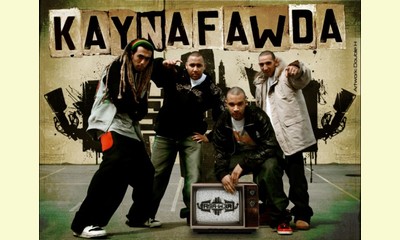


click on photo to enlarge

The most recent is without doubt the organization of a major alternative music festival structured around a series of concerts that will take place on five Sundays next year, January 8, February 5, March 4, April 8 and May 6.

Organized at the initiative of the Union Association of Youth for the Culture of Peace (AUJ), this big festival of alternative music will be animated by Rachid Idrissi, Momo, Younès Lazrak, Samid Ghailan et George Ismaël.

By means of this project, AUJ hopes to "align itself with the movement of animation in the extended city of Casablanca, including the Maarif suburb, as well as those of Roches Noires and Sidi Belyout which, each year, organize a series of concerts", underlining that this event is open to a public that is young and dynamic.

The festival-context will be launched January 8. Of the eight groups that participate in each concert, two will be chosen for the final competition. The jury is composed of Masta Flow of the group Casa-Crew, Siff Isan of H-Kayne and the composer Mistro.

The organization was founded in 2010 in the neighborhood of Moulay Rachid and presided over by Youness Haouder alias Chaht Man. "The Union Association of Youth for the Culture of Peace has the mission of working with youth to integrate them effectively into society where they live as well as to immunize them against the upsets of life in general," according to the notes of this youth cultural organization.

The artists and groups, Said Moskir, Chaht-Man, Casa-Crew, H-Kayne, Abidat Rma Khouribga and the actor Abdel Fatah (winner of the competition « Comedy » 2011) are those invited to the first concert which promises some great moments of entertainment with music that is very appreciated by Moroccans, and especially the youth. These artists will "animate and involve the youth to participate by providing good advice for the mastery of their respective arts" according to the organizers.

It is to be emphasized that the winning groups will benefit by being invited to other national and international festivals. In addition to being associated with great artists they will be featured in an album and video-clip.

(Click here for a French version of this article)

DISCUSSION

Pregunta(s) relacionada(s) al artículo :


What place does music have in the peace movement?,

* * * * *

Comentario más reciente:

(See below for English translation)

Nuestra investigación sobre la Musicoterapia Comunitaria se ha desarrollando a  partir del inquietud siguiente.

“La violencia social es frecuentemente la expresión de la insatisfacción experimentada por un sector de la población que se ve privado del derecho de formar parte de esa sociedad y cultura del bienestar a la que tienen derecho” (Petrus, A. 1997)

Vivimos en un momento de instabilidad política, económica y social. La violencia y los conflictos son las consecuencias de tal instabilidad.

Desde la Segunda Guerra Mundial, hemos sufridos más de 150 conflictos armados, la mayoría de los cuales se han desarrollados en los países más pobres. A lo largo de esto siglo han muerto más de 110 millones de personas a causa de guerras injustificadas y sin sentido, en que el 90% de las víctimas son civiles, en particular mujeres y niños.

Y a parte de la violencia directa hay otros tipos de violencias cotidianas: una violencia estructural que incluye hambre, analfabetismo, discriminación de las mujeres, racismo, precariedad, etc.

En nuestro mundo nos recuerdan que “si quieres la paz, prepárate para la guerra”.  

Pero, son siempre más las personas que están rebelándose a esta realidad.

El interés en esta área está ligado a una búsqueda constante de encontrar una solución real para resolver tal situación. El mundo necesita de paz y una sociedad más justa. No se debería aceptar y contemplar el dolor y el sufrimiento de personas inocentes, cuando el mundo está gritando desesperadamente su necesitad de paz.

**********************

Our investigations about Community Music Therapy has developed out of the following concerns.

“Social violence is frequently the expression of the dissatisfaction of a sector of the population that is itself deprived of the benefits of that society and its culture of well-being for which they have right” (Petrus, A. 1997)

We live in a time of political, economic and social instability with violence and conflicts as a consequence. . ... continuación.


Este artículo ha sido publicado on line el November 12, 2011.

Si desea realizar una nueva pregunta relacionada a este artículo, primero, debe registrarse y entonces conectar. Después copie el título (At the Cultural Compex Moulay Rachid in Casablanca : A Festival-Contest of Alternative Music ) y su numéro (608 ) e incorpore esta información junto con su pregunta de debate y una respuesta introductoria a la pregunta aquí..


Los artículos son enumerados por orden de prioridad según los votos de los lectores. Para esto, usted está invitado a elegir el nivel de prioridad que considera conveniente para cada artículo tildando una de las opciones que se encuentran aquí debajo: Este artículo, ¿debe considerarse prioritario?